

How shuffle casino processes cryptocurrency withdrawals
When you land on this page you are weighing one specific site against the standard for UK gambling: a licence from the Gambling Commission, not merely a logo on the homepage. That distinction matters because a foreign operator can look identical while offering different protection for your funds and a different route for complaints. Check the licence number in the site footer and confirm it against the Commission register yourself; an unregistered number is the kind of error that costs real money. UKGC-licensed operators must also offer GAMSTOP self-exclusion and contribute to GamCare funding, which foreign sites often do not.
Why UK Regulation Excludes Cryptocurrency Gambling
The Gambling Commission’s licensing conditions require operators to verify the source of customer funds, monitor transactions for money-laundering indicators, and apply affordability assessments before accepting large or frequent deposits. Cryptocurrency transactions occur on decentralised networks without a supervising bank or payment processor that can provide transaction history, account ownership proof, or spending-pattern data. A Bitcoin wallet address reveals no customer identity, employment status, or financial resources.
Blockchain deposits bypass the payment-channel controls that let UK-licensed operators pause or reverse transactions when a customer triggers harm indicators. A player who loses significant sums within a short period at a licensed casino will face intervention—account restrictions, affordability requests, or deposit limits—because the operator’s banking partner flags unusual activity. Crypto transactions complete irreversibly within minutes, and once digital assets enter a gambling wallet the operator controls them without a third-party intermediary that could freeze or reverse the transfer.
The Gambling Commission has acknowledged that a future regulatory model could accommodate cryptocurrency payments if HM Treasury and the Financial Conduct Authority establish a comprehensive framework for crypto asset service providers, requiring identity verification, transaction monitoring, and integration with gambling operators’ safer gambling systems. That infrastructure does not exist in October 2026. Until it does, UKGC-licensed casinos handle only pounds, euros, and other fiat currencies through supervised payment methods.
The operator holds a licence from the Curacao Gaming Authority (OGL/2024/1337/0628) but does not hold a UK Gambling Commission licence.
shuffle casino: games
What can you actually play at Shuffle Casino?
| Brand | Details |
|---|---|
| shuffle casino | Shuffle runs online casino with slots, live dealer, table games and sportsbook. |
The welcome offer is a 100% match up to $1,000 on the first deposit, requiring a minimum deposit of $20 and 35x wagering on the sum of the deposit plus bonus.
How Cryptocurrency Deposits and Withdrawals Function at Offshore Operators
Shuffle Casino and similar offshore platforms integrate cryptocurrency wallets directly into player accounts. After registration, the player selects Bitcoin, Ethereum, or another supported digital asset from the deposit menu. The casino generates a unique receiving address—a string of alphanumeric characters identifying the player’s specific wallet within the operator’s system. The player copies that address, opens their external cryptocurrency wallet or exchange account, and initiates a transfer for the desired amount.
Blockchain confirmations determine how quickly funds become available. Bitcoin transactions need one to three confirmations, typically ten to thirty minutes depending on network congestion and the fee the player attached to the transaction. Ethereum and stablecoins such as Tether settle faster, often within two to five minutes. Once the blockchain records the deposit, the casino credits the player’s balance in the native cryptocurrency or converts it to an internal casino token, depending on the operator’s accounting model.
Withdrawals reverse the process. The player navigates to the cashier, selects the cryptocurrency they wish to receive, enters the external wallet address where they want funds sent, and specifies the amount. The operator applies any pending wagering requirements, verifies the wallet address format, and processes the request. Most offshore crypto casinos advertise instant or near-instant withdrawals because blockchain transactions do not require bank processing time. Shuffle Casino states that ninety per cent of withdrawals reach player wallets in under one minute, though actual timing depends on the blockchain network’s current transaction load and the fee the operator includes.
Players bear the blockchain transaction fee for deposits and sometimes for withdrawals, depending on the operator’s policy. Bitcoin fees fluctuate with network demand—high congestion can push a single transaction fee above five pounds, making small deposits uneconomical. Stablecoins on efficient networks such as Solana or Polygon often cost pence per transaction, which explains why many offshore casinos list multiple digital assets and let players choose based on cost and speed.
There are no stated maximum withdrawal limits or caps for standard accounts; crypto withdrawals are subject only to network fees.
Practical Risks UK Players Face with Offshore Cryptocurrency Casinos
Cryptocurrency transactions are irreversible. A player who sends Bitcoin to an incorrect address, deposits at a fraudulent clone site, or later disputes a transaction has no chargeback mechanism. UK banking regulations give debit-card users the right to request a chargeback if goods or services were not delivered as described, but that protection does not extend to blockchain transfers. Once you send crypto, the receiving wallet controls it. If the operator refuses to honour a withdrawal, closes your account citing a terms violation, or simply stops responding, there is no UK authority with enforcement power over an offshore entity.
Licensing in Curaçao provides basic operational standards—game fairness, responsible gaming policies, and a dispute procedure—but enforcement is inconsistent and player recourse limited. Curaçao e-Gaming issues master licences to a handful of companies, which then sub-license individual operators. Complaints escalate from the casino to the sub-licence holder, then to the master licence operator, with no guaranteed independent adjudication comparable to the UK’s IBAS Alternative Dispute Resolution service. Players who exhaust that process and remain dissatisfied have no further recourse except public complaint forums and rating sites.
Cryptocurrency values fluctuate. A player who deposits one Bitcoin when its price sits at fifty thousand pounds holds a balance tied to that volatile asset if the casino maintains crypto-denominated accounts. A significant price drop between deposit and withdrawal erodes winnings measured in fiat terms. Some offshore operators convert cryptocurrency to US dollars or a stablecoin immediately upon deposit, stabilising the value, but players should confirm the casino’s accounting model before depositing large amounts.
Operators that promise instant withdrawals and no limits attract players frustrated by UKGC-licensed casinos’ affordability checks and withdrawal delays. Those same freedoms remove the safeguards that protect vulnerable players. Offshore crypto casinos do not impose mandatory limits imposed on deposits, do not request proof of income before accepting large sums, and do not pause gameplay when spending patterns indicate harm. A player experiencing gambling problems can deposit repeatedly without intervention, and blockchain’s speed makes it easier to chase losses in real time.
Distinguishing Legitimate Offshore Crypto Casinos from Outright Scams
Navigating the market requires vigilance and a systematic approach to verification. The first step is to check the operator’s licence details, which are typically displayed in the footer of their website. Players should verify this information directly on the regulator’s register, instead of relying on badges displayed on the operator’s site, which can be forged. Additionally, legitimate platforms will clearly display their RTP percentages and audit certificates from recognised testing agencies. These documents provide tangible evidence of fairness and operational integrity.
Another indicator of legitimacy is the quality of customer support and terms of service. Reputable operators provide clear, accessible information about bonuses, limits placed on withdrawals, and responsible gambling tools. They also offer multiple channels for support, including live chat, email, and telephone. Conversely, unverified entities often have vague or missing terms, delayed responses, and limited support options. These red flags suggest a lack of commitment to player satisfaction and regulatory compliance.
Finally, players should consider the reputation of the platform within the industry. Established operators with a long history of service are more likely to maintain high standards to protect their brand. New or obscure brands, especially those using aggressive marketing tactics, should be scrutinised more closely. Reading independent reviews and checking community forums can provide insights into the experiences of other players, helping to identify potential issues before committing funds.
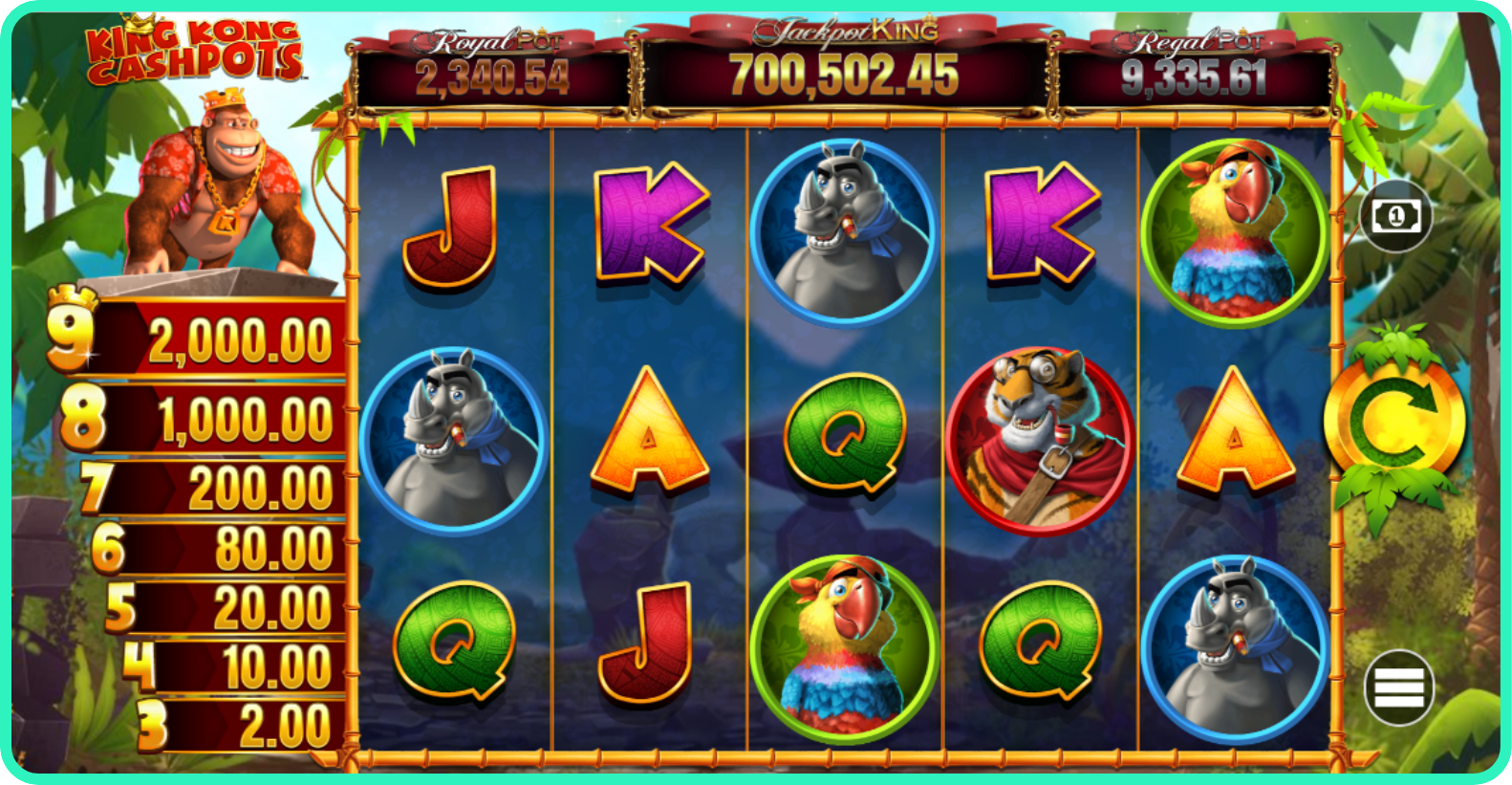
Gold river star casino withdrawals | Visa
The Broader Context for UK Players Considering Cryptocurrency Gambling
The wider picture is less about technology than about who takes responsibility when a dispute arises. shuffle casino sits outside the UK gambling market, so a UK player who funds an account with cryptocurrency does so without UKGC protection. That single fact changes the practical stakes of every deposit and withdrawal, and it is worth separating the technical behaviour of the payment from the legal position of the player.
The absence of a UK regulator
The UKGC licence is what gives a player a route to the Alternative Dispute Resolution scheme and access to the Gambling Commission’s own complaints process. An offshore operator accepting Bitcoin or other coins operates under a licence issued elsewhere, if at all, and that licence governs only the jurisdictions it covers. A UK player is not a UKGC licensee of that operator, so disputes over withheld winnings, delayed withdrawals or account closures fall outside the UKGC’s jurisdiction and the GAMSTOP self-exclusion register does not apply to it either. The same applies to whether a deposit or withdrawal is accepted: the operator’s own terms decide that, not UK consumer law. Cryptocurrency’s design makes the transaction hard to reverse once it is confirmed on the chain, which removes one of the few backstops a cardholder would normally rely on.
What the player actually controls
The player’s remaining levers are practical instead of legal. Check the operator’s licence number and the regulator named in its footer, then verify that number on the regulator’s own site before depositing; a licence that is suspended, expired or issued for a different entity is a reason to walk away. Confirm whether the site requires identity verification before withdrawals, since a no-KYC site may process a deposit instantly but refuse a cashout later. Set a personal loss and time limit in advance, because cryptocurrency’s speed encourages rapid re-deposits. UK help is available regardless of where the casino is based: GamCare, BeGambleAware and the National Gambling Helpline on 0808 8020 133. Anyone under 18 must not gamble.
Frequently asked questions
**Is Shuffle casino legit?**Legitimacy here depends on the licence shown on the site, not the site’s appearance. A UK Gambling Commission licence is checkable on the UKGC register; an operator that does not hold one falls outside those safeguards and cannot be assessed the same way. Confirm the name on the register matches the name on the site, not a similar-sounding variation, because a licence belongs to a registered legal entity.
**Two operators have similar names in a public listing. Which one am I actually on?**Check the account statement and the payment receipt, not the search result. A listing may group several brands, and a deposit receipt names the legal operator that received the funds. Compare that name against the licence register and the terms you accepted when registering.
**A deposit or wager appears to meet the offer, but one eligibility condition could exclude it.**Bonus and game restrictions sit in the promotion terms, separate from the deposit confirmation. If a game is excluded, wagers on it will not count toward the requirement even when the balance shows as funded. Inspect the list of eligible games and the wagering basis before assuming the offer is active.
Set a fixed budget for mobile casino sessions
Decide the amount you will lose before opening the casino app, and treat that sum as spent the moment you enter. A fixed budget is a hard ceiling, not a guideline. Set it at a level you can replace without touching rent or bills. Once the balance reaches zero, close the session and do not reload. Mobile casinos make reloading effortless, which is exactly why the limit must exist before starting.
Responsible gambling rules apply here. The minimum age is 18, the UKGC regulates operators, and GAMSTOP covers self-exclusion across participating sites. GamCare and BeGambleAware offer support, including the National Gambling Helpline on 0808 8020 133.